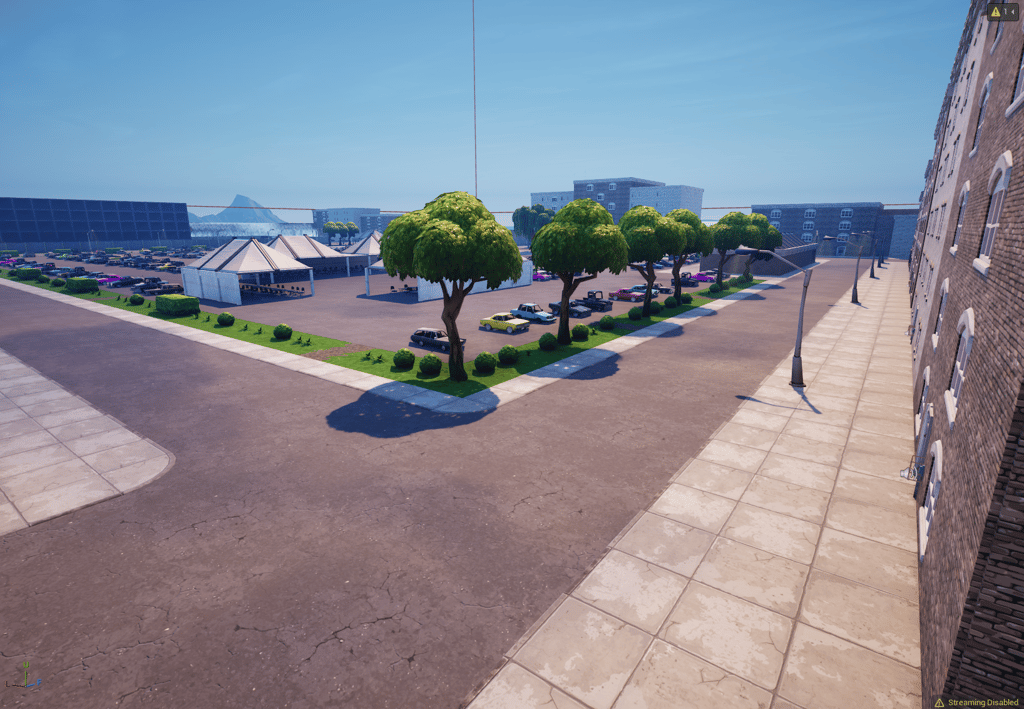
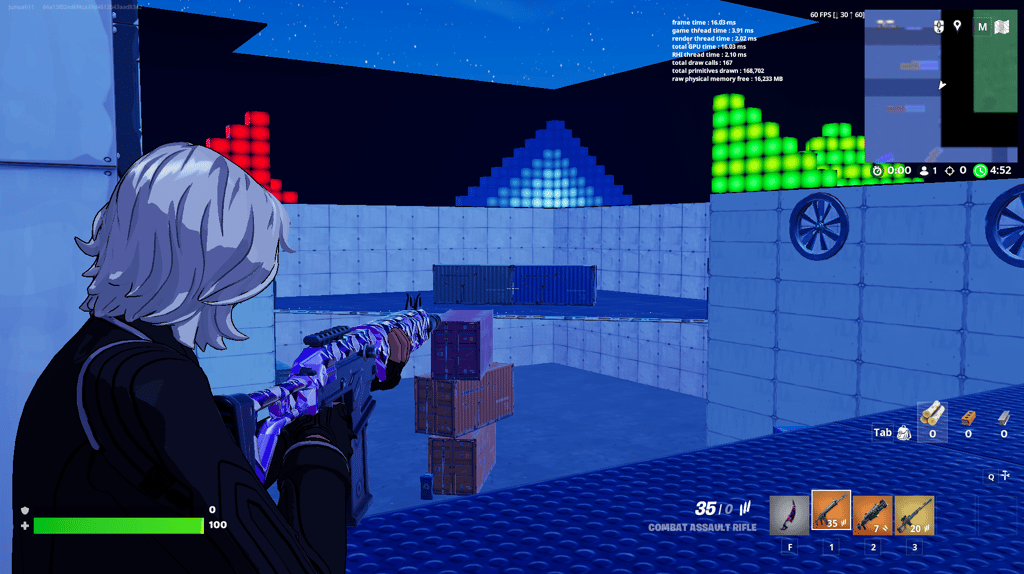
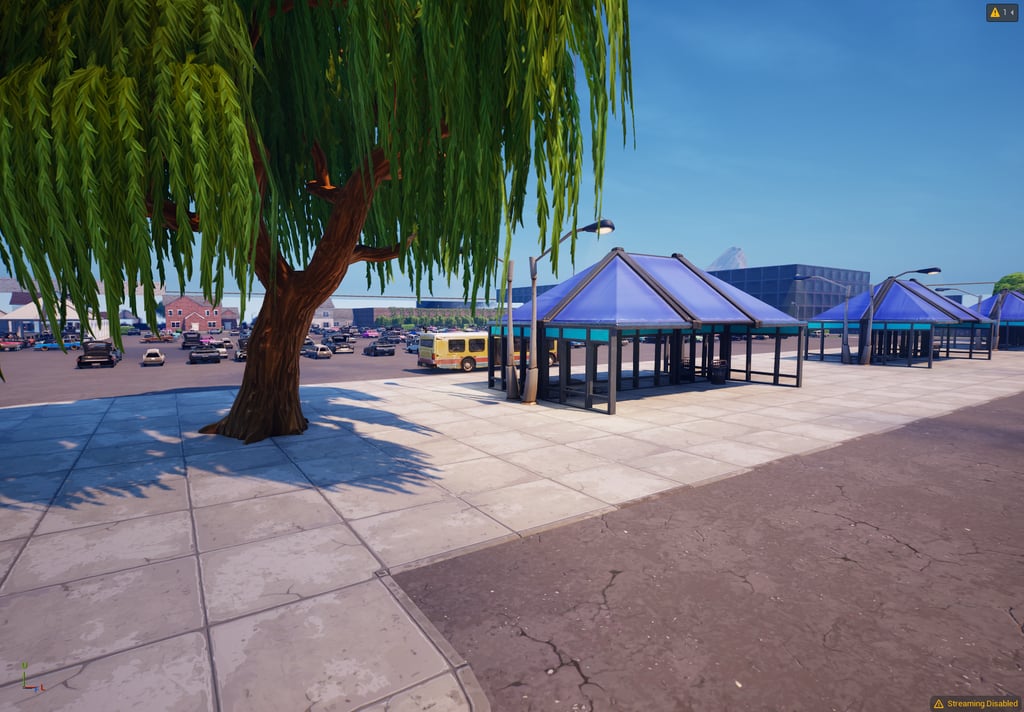
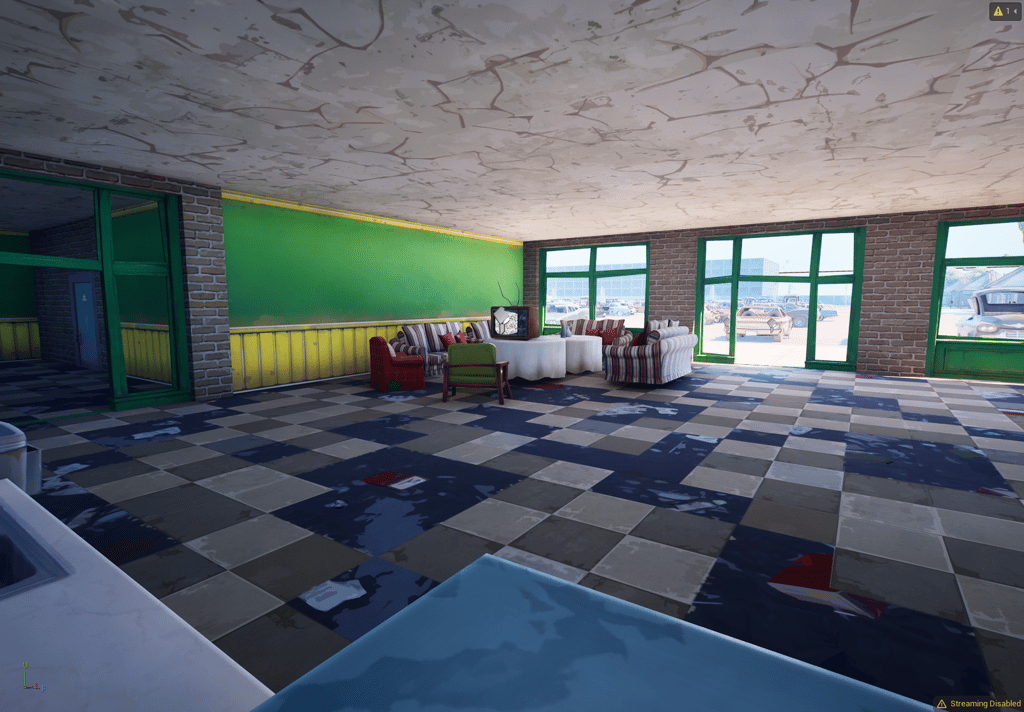
Fornite Creative
Level, Game & System Designer
My Role
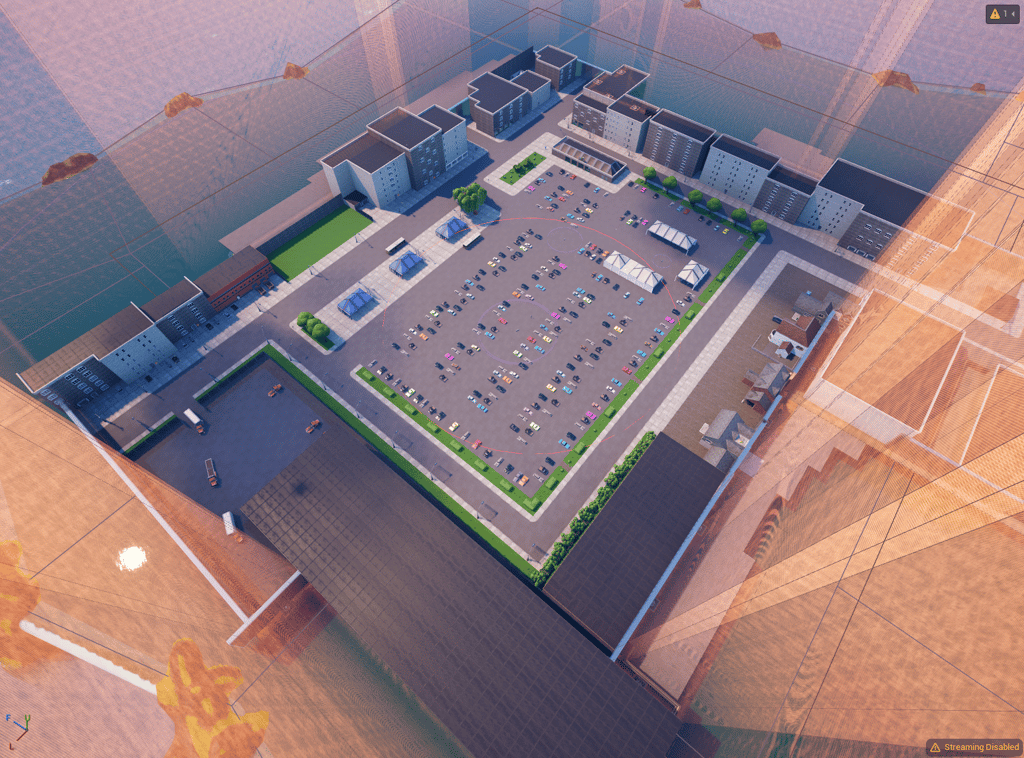
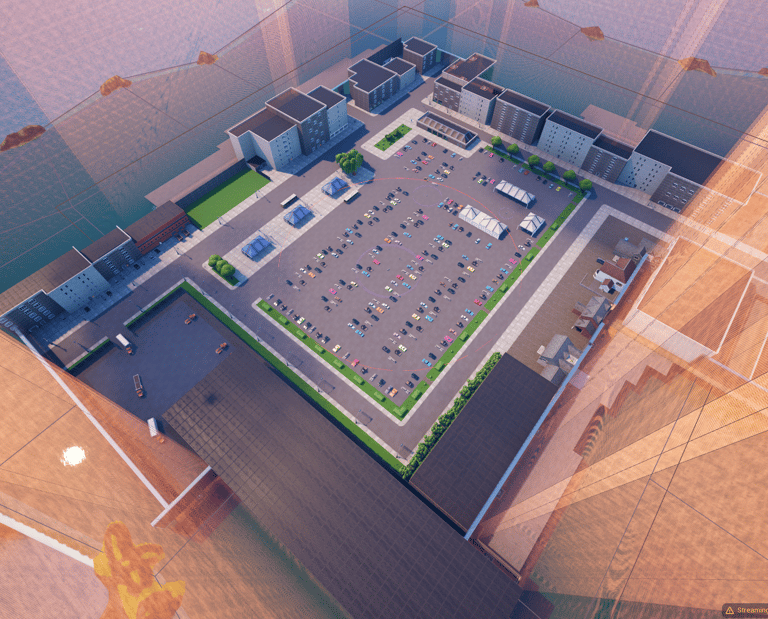
I worked as the designer and creator for these maps, responsible for layout design, gameplay flow, spawn systems, and balancing the loot pools and combat spaces.
Role
Description
In addition to team and student projects, I designed several multiplayer maps using Unreal Editor for Fortnite (UEFN). These projects focus on PvP gameplay, player flow, and combat balancing within popular Fortnite game modes. The goal was to take familiar formats and introduce small design twists while ensuring balanced gameplay and engaging combat spaces.
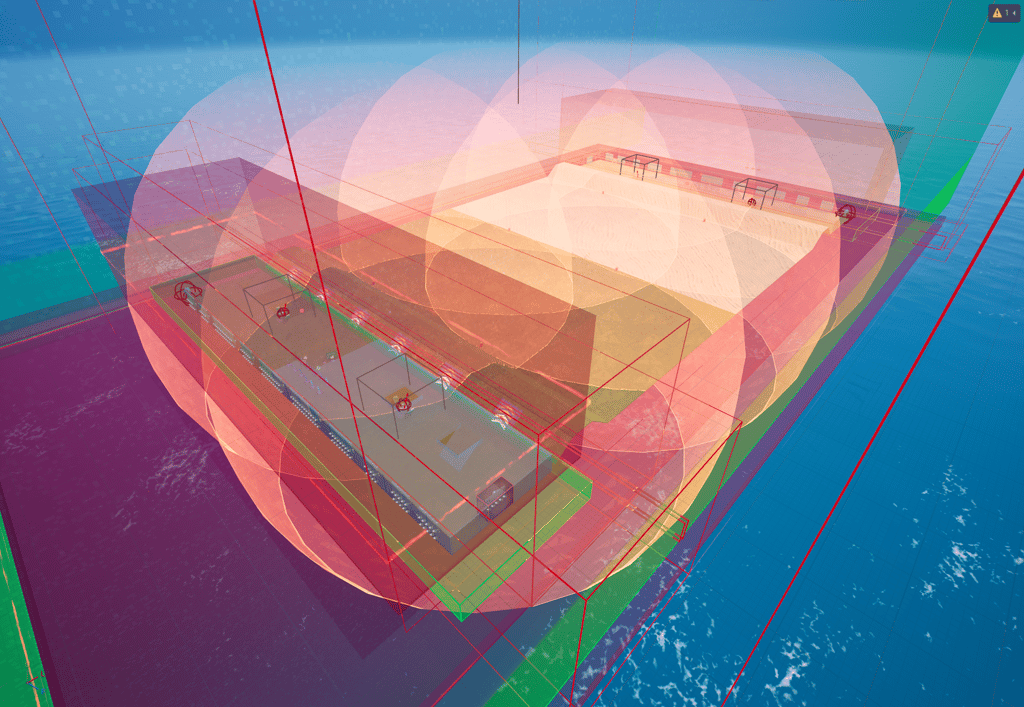
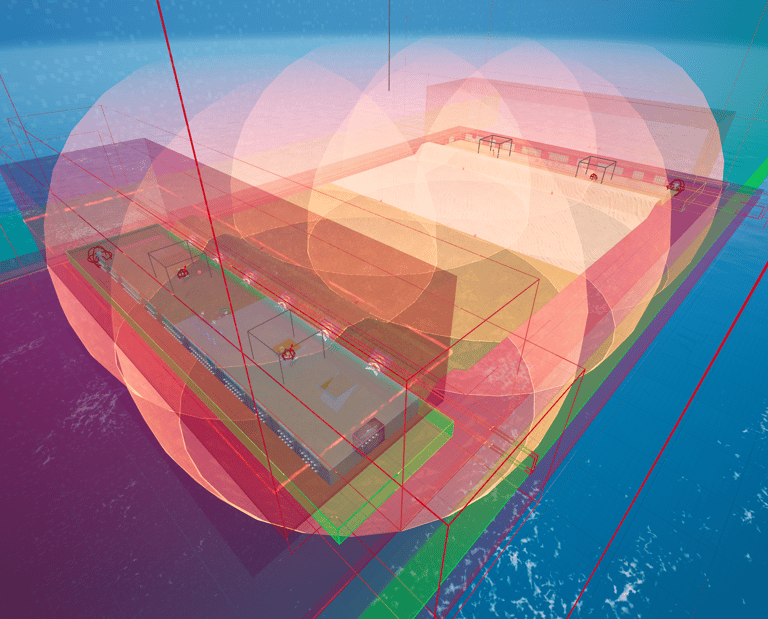
Desert vs Grass
Design Intent
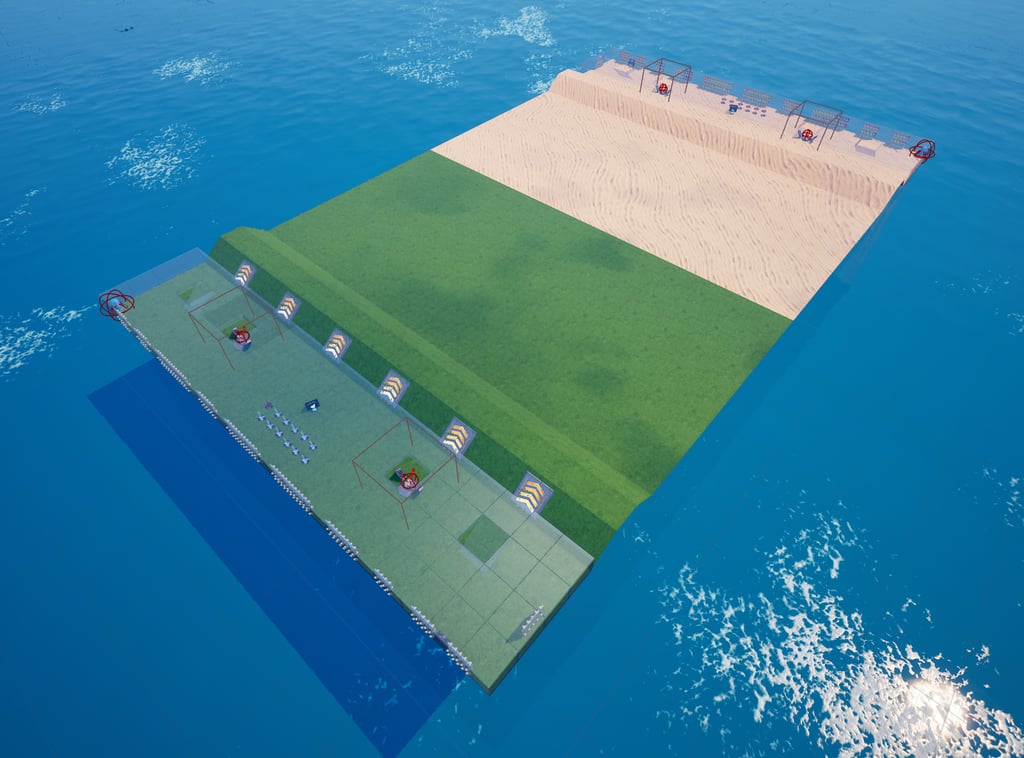
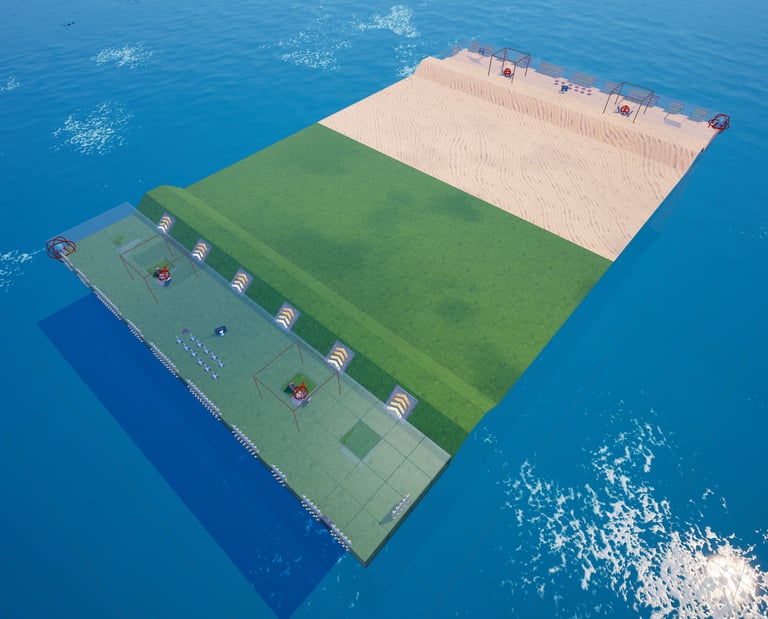
This map was inspired by the extremely popular Red vs Blue format in Fortnite. The goal was to take the familiar gameplay loop that players already enjoy and introduce a unique twist while keeping the core experience recognizable. The map uses a Desert vs Grass theme to visually separate both sides and make the battlefield easy to read during combat.
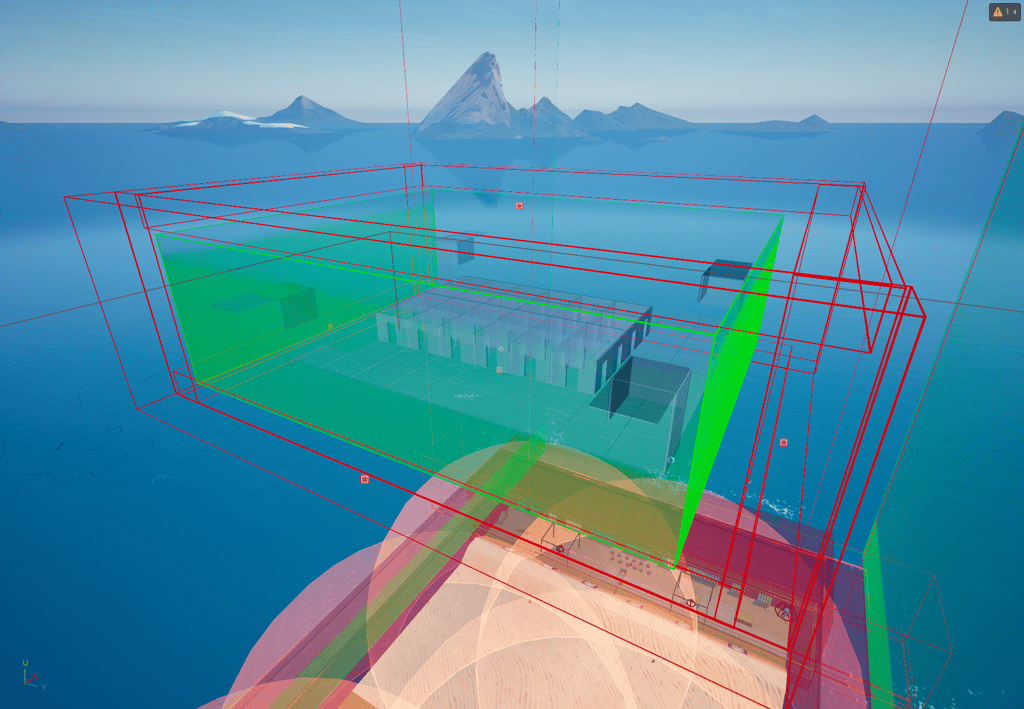
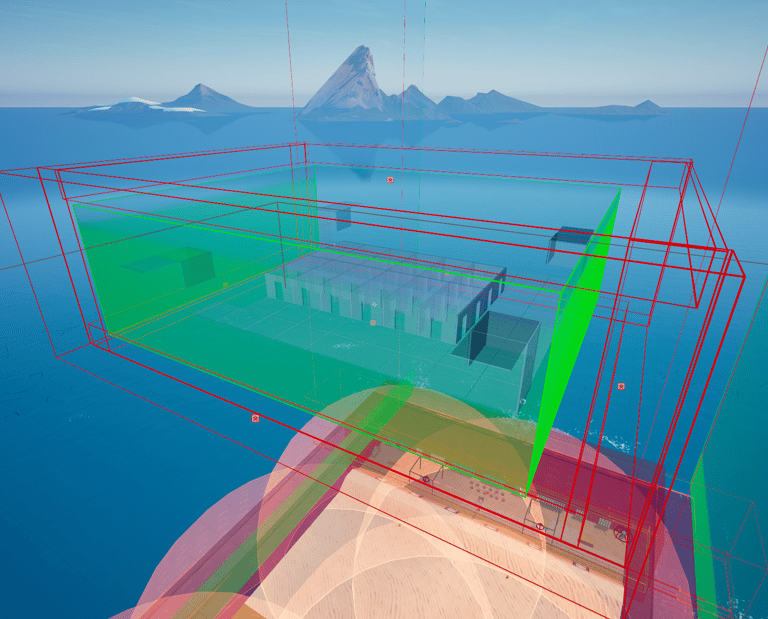
To add a unique gameplay element, I introduced an elevated glass arena above the main battlefield where building is disabled. This area creates a different combat dynamic and encourages players to change positioning and engage from a new vertical layer.
Workflow
The map started with a simple blockout focusing on the main combat lanes and spawn areas. The goal was to create fast PvP encounters while keeping clear sightlines between both sides. After the layout was established, I developed the upper glass arena and connected it with the main combat space to create a secondary engagement area. Once the gameplay layout worked well, the visual theme and environmental assets were added to reinforce the Desert vs Grass contrast.
Iteration & Balancing
During testing, the main focus was balancing spawn safety, travel time to combat, and weapon availability. The loot pool was carefully curated to support fast and engaging fights while avoiding overly dominant weapons. Adjustments were also made to the access points of the glass arena to ensure it became a strategic location without overpowering the rest of the map.
Key Takeaways
This project helped me understand how small design twists can refresh a very familiar game mode while maintaining the gameplay loop that players expect.
Key Learnings
Designing maps in UEFN provided practical experience with multiplayer level design, especially balancing spawn systems, combat pacing, and player flow. Working within existing game modes also required adapting level layouts to support fast matches and continuous player engagement while still introducing unique gameplay elements.
Project P– Mini Battle Royale / Zone Wars
Design Intent
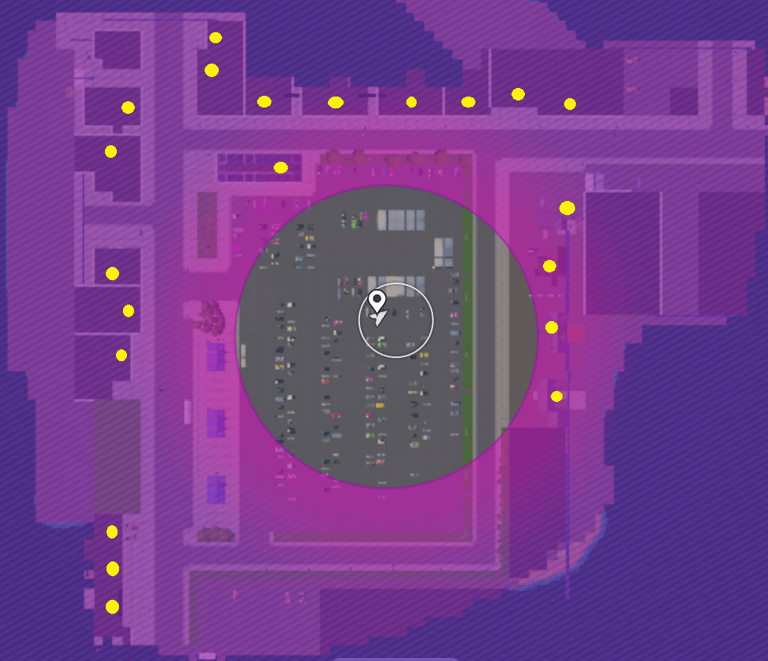
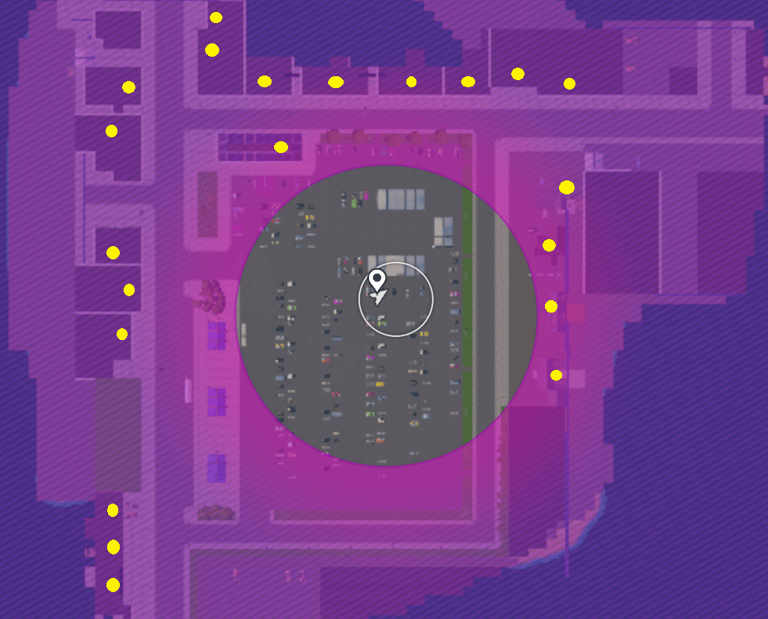
Project P was designed as a small-scale Battle Royale / Zone Wars experience focused on late-game combat scenarios. The goal was to create a map that supports intense fights as the storm closes in while still giving players meaningful positioning choices.
Workflow
The layout was designed around multiple spawn locations, each providing different starting loot. This required careful planning to ensure that players could start in different positions without creating unfair advantages. The center of the map was intentionally designed as a more open combat space but includes multiple cover elements to allow players to move and reposition while under pressure from the shrinking zone.
Iteration & Balancing
Balancing this map focused on three main elements: spawn locations, loot distribution, and storm pacing. Spawn areas were adjusted multiple times to ensure equal starting conditions. Loot pools were balanced so that players could quickly prepare for combat without becoming overpowered too early. The zone timing and center positioning were refined to create a natural player flow toward the middle of the map during the final fights.
Key Takeaways
This project gave me practical experience designing levels around Battle Royale pacing, where player movement and positioning become more important as the playable area shrinks.
Neon Factory
Design Intent
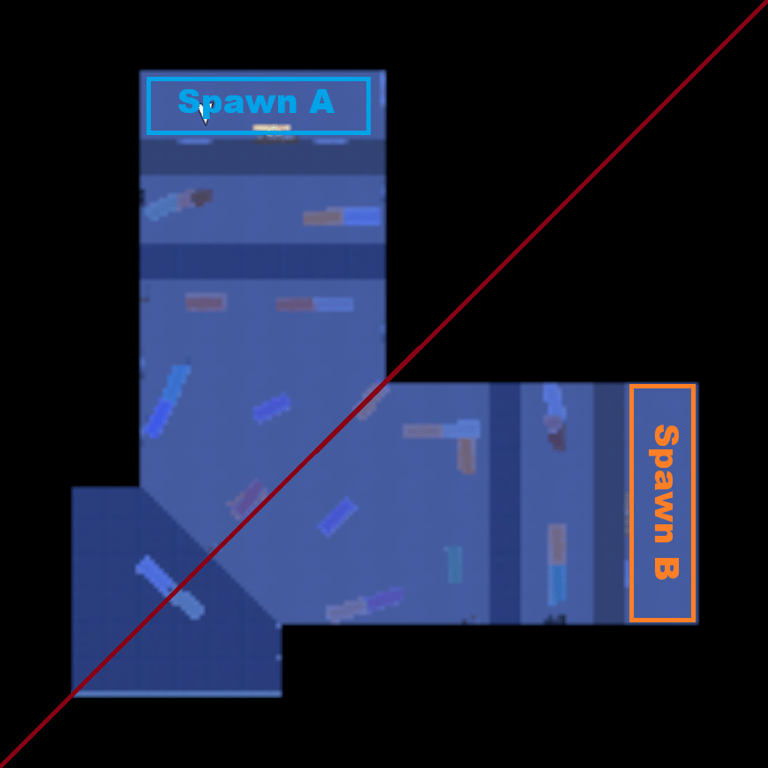
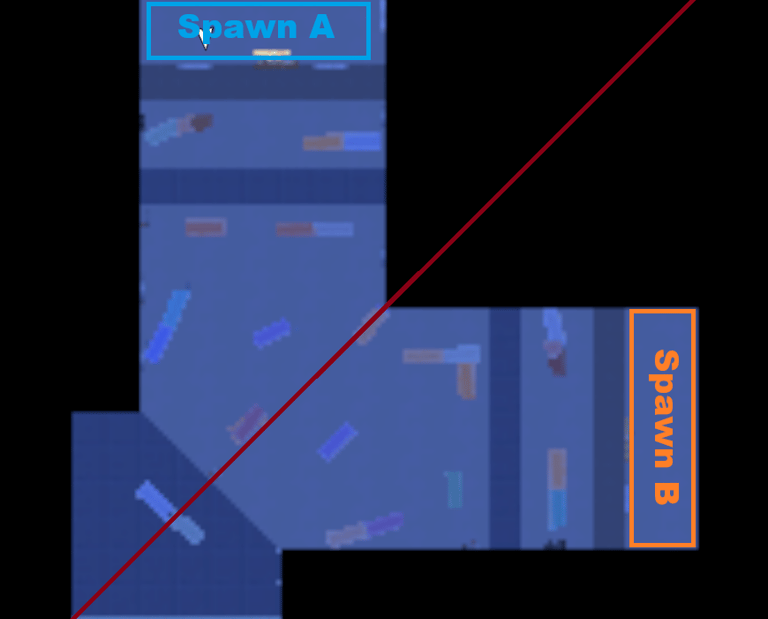
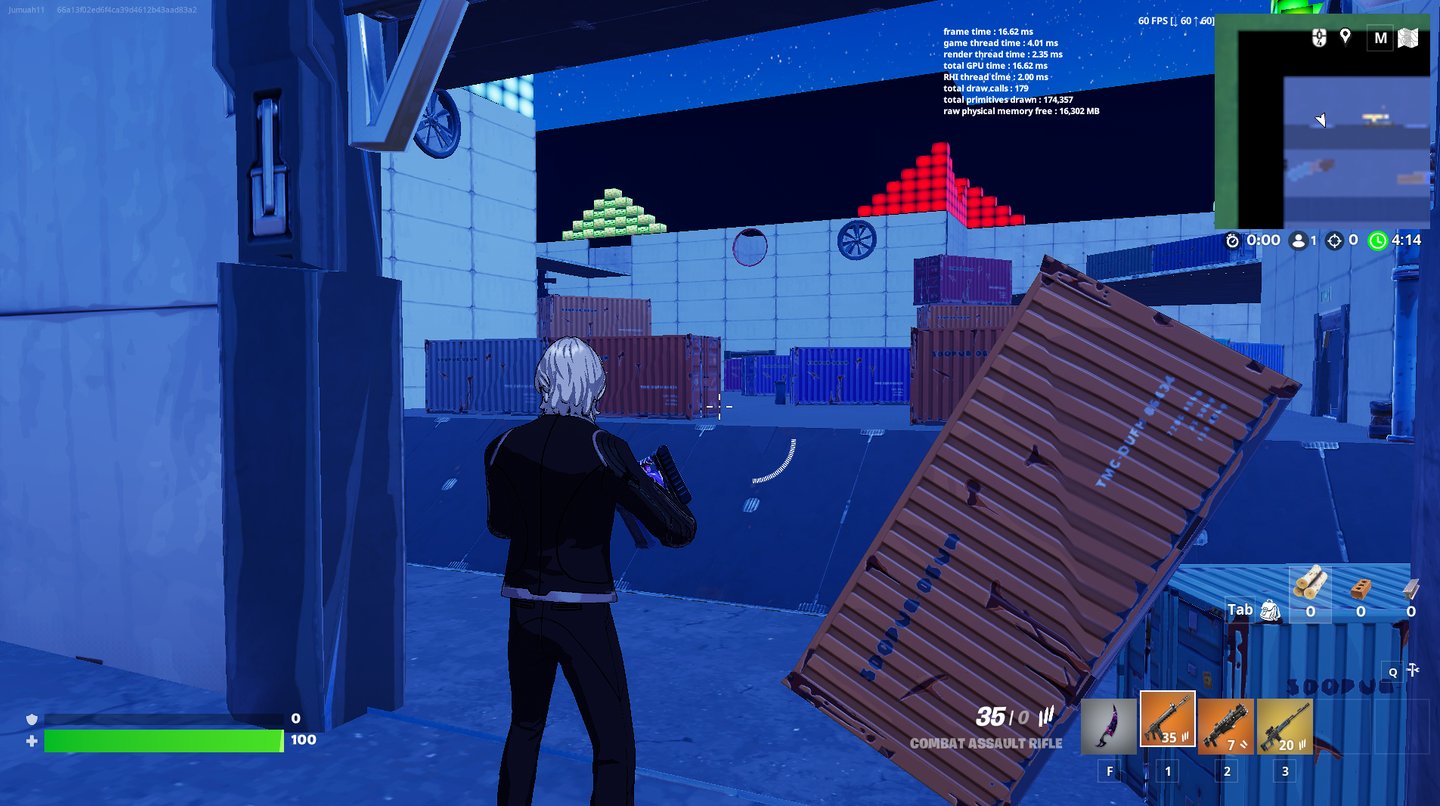
This map explores a classic symmetrical three-lane layout, inspired by traditional multiplayer shooter maps. The goal was to create a balanced structure that supports clear combat routes and predictable player flow while still allowing strategic variation.
Workflow
The design started with the classic three-lane structure consisting of a central combat lane and two side lanes. The center lane was designed for more direct engagements, while the side lanes provide alternative paths and flanking opportunities. While the overall structure remains symmetrical, each side of the map includes small variations to give both teams slightly different tactical options without breaking balance.
Iteration & Balancing
Testing focused mainly on player flow and lane usage. Adjustments were made to lane widths, cover placement, and traversal options to ensure that all lanes remained viable choices during matches. The goal was to prevent players from favoring only one route and instead encourage movement across the entire map.
Key Takeaways
This project helped me explore how classic multiplayer map structures can still provide strong gameplay foundations when combined with small variations and careful balancing.